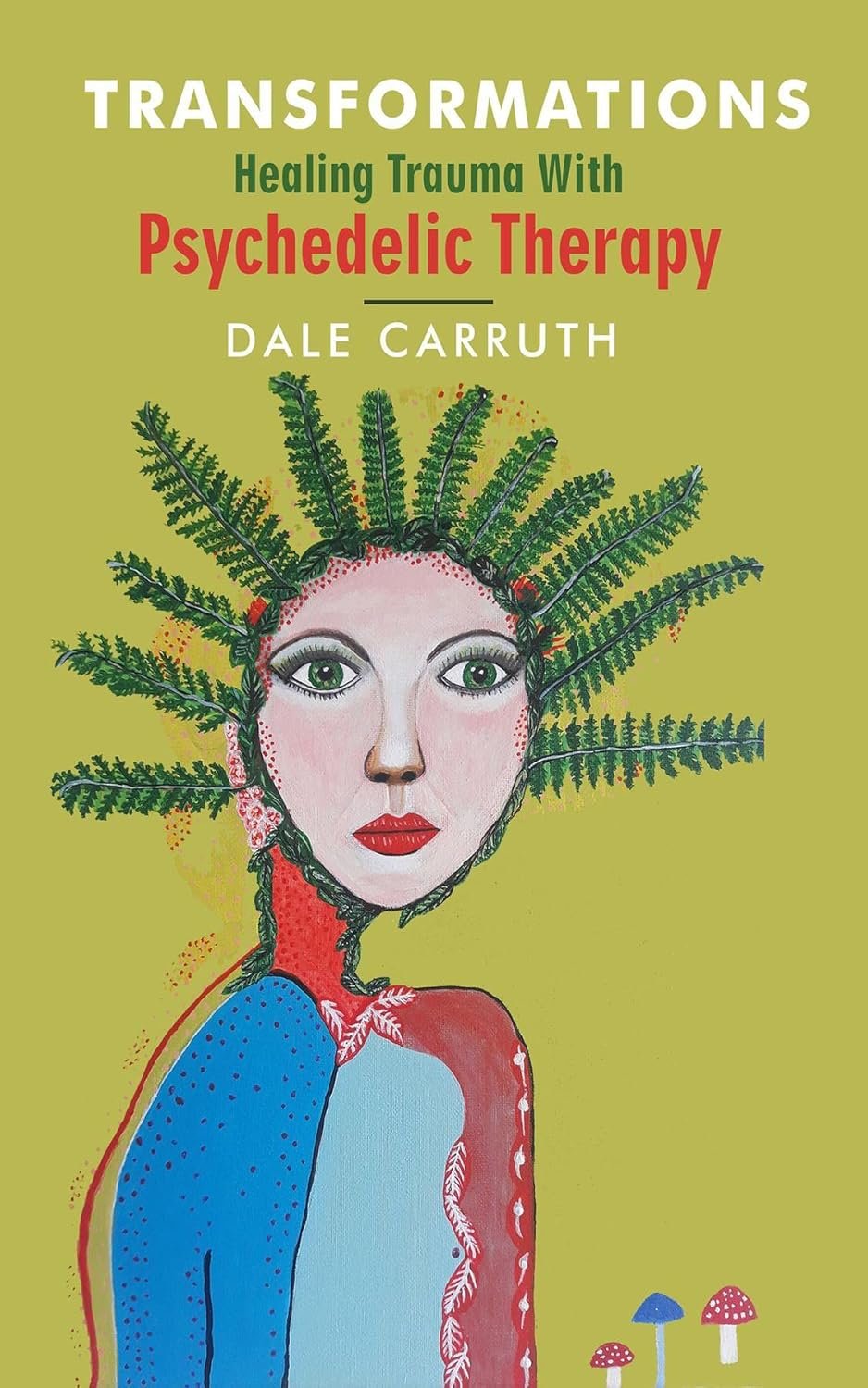
Description
Psychedelic Therapy: Transformative, Effortless Healing for Trauma
The Promise of Psychedelic Therapy for Healing Trauma
Psychedelic therapy is rapidly emerging as a groundbreaking approach to emotional healing and personal growth. Unlike traditional methods that can focus primarily on symptom management, psychedelic therapy harnesses the power of certain psychedelic substances to facilitate deep, effortless healing—especially for individuals struggling with trauma. As societal attitudes evolve and research intensifies, the transformative potential of psychedelic therapy for trauma is being revealed in powerful, deeply personal ways.
A Brief History and the Scientific Renaissance
For centuries, indigenous cultures have incorporated psychedelic substances into their healing and spiritual practices. In the mid-20th century, the Western medical community began to explore the therapeutic potential of these substances, but the momentum was quickly stifled by regulatory restrictions and negative public perception. Decades of prohibition followed, limiting scientific exploration.
In recent years, however, we’ve witnessed a renaissance in psychedelic research. Driven by an urgent need for better mental health treatments and compelling scientific evidence, researchers are rediscovering the profound impact that psychedelic therapy can have on those suffering from trauma and other mental health challenges. This resurgence has led to the development of safe, structured therapies centered around substances such as psilocybin, MDMA, and ayahuasca, which have all shown remarkable promise for individuals affected by trauma.
How Psychedelic Therapy Facilitates Effortless Healing
The mechanisms that make psychedelic therapy so effective are complex, yet their results are often described as effortlessly transformative. Psychedelic substances primarily interact with serotonin receptors in the brain, temporarily altering states of consciousness. These altered states open the doors to emotional processing that is often inaccessible through conventional therapies.
Participants commonly report experiencing profound insights about their lives, relationships, and trauma during therapy sessions. Instead of just managing or suppressing symptoms, individuals learn to view their wounds from new perspectives, often uncovering the root causes of their distress. Symptoms such as rumination, anxiety, and depression frequently subside, replaced by an emergent sense of liberation, inner peace, and connection.
Clinical studies continue to validate these outcomes. Research has shown that psychedelic therapy can lead to substantial improvements in mental health, particularly for those with post-traumatic stress disorder (PTSD). In carefully monitored settings, many patients experience lasting relief after just a few sessions—testament to the transformative power of this therapeutic approach.
Dale Louise Carruth’s Personal Transformation Through Psychedelic Therapy
Few stories illustrate the potential of psychedelic therapy as poignantly as that of Dale Louise Carruth. Her journey toward healing began at a point of deep disconnection and pain. Having faced compounded challenges during her upbringing—from family strife to societal expectations—Dale felt isolated and unable to fully heal through conventional therapy.
After years of searching, she decided to try psychedelic therapy in a supportive, professionally guided environment. The results were profound. During her sessions, Dale accessed memories and emotions she hadn’t been able to process previously. The psychedelic experience allowed her to confront her pain in a safe, nurturing space and understand her trauma from a place of self-compassion and expanded awareness.
Instead of feeling weighed down by the burden of her past, Dale found that psychedelic therapy empowered her to move through layers of trauma, rather than simply coping with symptoms. She emerged from these sessions with a renewed sense of self and a toolkit for ongoing healing.
Practical Tools for Integrating Psychedelic Insights
In her ebook, Dale shares several practical tools and exercises that supported her healing journey. Central among these is the practice of guided visualization—a technique that fosters connection with one’s inner child and facilitates deep self-awareness. Such exercises, used alongside psychedelic therapy, help individuals process difficult emotions and develop a compassionate relationship with themselves.
Dale is open about the nonlinear nature of healing. Effortless as some breakthroughs may seem, the process requires patience, support, and ongoing self-care. She encourages those considering psychedelic therapy for trauma to seek professional guidance, ensuring that the experience is both safe and optimally beneficial.
Safety and Support: Essential Components of Psychedelic Therapy
While the healing promise of psychedelic therapy is powerful, it cannot be overstated that these sessions must occur in structured, professionally supervised environments. Trained therapists or facilitators are essential for providing safety, emotional support, and integration assistance. The therapeutic setting maximizes positive outcomes while minimizing risks, fostering meaningful and lasting change.
The Future of Psychedelic Therapy for Trauma
Psychedelic therapy is redefining what is possible in trauma healing. By offering transformative, effortless access to deep emotional processing, it provides hope for those who haven’t found relief through traditional treatments. As research expands and more individuals like Dale Louise Carruth share their stories, psychedelic therapy stands poised to become a vital part of modern trauma treatment. For anyone seeking authentic, lasting healing, psychedelic therapy offers a path of profound transformation, connecting individuals with their true selves and future potential.