
AI Therapy: Stunning Benefits to Effortlessly Enhance Treatment

Discover the remarkable AI therapy benefits that are transforming mental health care—not by replacing traditional therapy, but by effortlessly enhancing support and accessibility for those who need it most.
Harnessing Psychedelics for Healing: Integrative Recovery Strategies Using Mushrooms, DMT, MDMA & LSD

Harnessing Psychedelics for Healing: Integrative Recovery Strategies Using Mushrooms, DMT, MDMA & LSD The Evolving Landscape of Psychedelic-Assisted Recovery Over recent decades, the approach to addiction recovery has expanded beyond traditional talk therapies and pharmacological interventions. Increasingly, researchers, clinicians, and individuals seeking healing are turning their attention to the transformative power of psychedelic substances. Notably, mushrooms (psilocybin), DMT (N,N-Dimethyltryptamine), MDMA (3,4-methylenedioxymethamphetamine), and LSD (lysergic acid diethylamide) have emerged as promising tools in integrative recovery strategies, offering new pathways toward overcoming addiction. Understanding the Psychedelic Experience in Recovery Psychedelic-assisted therapy combines the effects of psychoactive substances with structured counseling to enhance self-awareness, confront underlying trauma, and foster lasting change. Unlike conventional methods that often address symptoms rather than root causes, psychedelics facilitate altered states of consciousness where entrenched patterns and emotional pain can be processed with newfound clarity. During guided sessions, participants typically experience a temporary dissolution of the ego, allowing them to revisit difficult memories, explore their motivations, and reframe their relationships with substances. Integration—the ongoing psychological work following the session—is crucial, translating insights into actionable life changes and robust recovery plans. Key Psychedelics in Integrative Recovery 1. **Psilocybin Mushrooms** Psilocybin, the active compound in magic mushrooms, is gaining recognition for its ability to reduce cravings and withdrawal symptoms associated with addiction. Studies show that supervised psilocybin sessions, combined with psychotherapy, enable individuals to explore the psychological roots of their substance use in a safe, supportive environment. Experiences of interconnectedness, awe, and self-compassion can break the cycle of addiction by providing meaningful alternative perspectives and fostering motivation for change. 2. **DMT (N,N-Dimethyltryptamine)** DMT, a potent hallucinogen found in certain plants and often administered through ayahuasca ceremonies, is known for its brief yet intense psychoactive effects. Therapeutic DMT experiences are often described as spiritually profound, allowing users to confront suppressed traumas and unresolved issues. These sessions, when integrated into comprehensive recovery programs, can aid in realigning personal values and developing resilience against relapse. 3. **MDMA-Assisted Psychotherapy** Originally explored as a tool for couple’s therapy, MDMA is now a focal point in addiction therapy due to its capacity to increase empathy, reduce fear response, and encourage openness. Under medical supervision, MDMA-assisted sessions allow individuals to revisit painful experiences without overwhelming anxiety, facilitating deep emotional processing and enhancing trust between therapist and patient. This approach is particularly valuable for those whose addictions stem from interpersonal or traumatic origins. 4. **LSD (Lysergic Acid Diethylamide)** LSD’s effects on consciousness have been studied since the 1950s, with renewed interest in its potential to address habit-forming behaviors. LSD therapy sessions are structured to help participants recognize automatic thought patterns, confront self-sabotaging beliefs, and explore alternative coping strategies. The resulting shift in perspective can play a crucial role in breaking the repetitive cycles inherent in addiction. Integrative Strategies: Beyond the Psychedelic Session Integration is the essential bridge between psychedelic insight and long-term recovery. Integrative strategies combine therapy modalities such as Cognitive Behavioral Therapy (CBT), mindfulness practices, group support, and lifestyle changes to sustain gains made during the psychedelic session. Ongoing support helps individuals develop healthy routines, cope with triggers, and build strong support networks. Medical supervision, careful screening, and preparation are vital components. Not everyone is a candidate for psychedelic-assisted therapy, and professional assessment reduces risks and enhances safety. Integrative recovery programs prioritize education, ethical practices, and empowerment, ensuring that psychedelic treatments are not standalone events but part of a holistic healing process. Challenges and Future Directions While the promise of psychedelics in addiction recovery grows, legal and regulatory barriers remain. Many substances are still classified as controlled drugs, limiting accessibility and research opportunities. However, clinical trials and advocacy are beginning to shift public perception and policy—laying the groundwork for broader acceptance and safer, more effective therapies. Additionally, stigma and misinformation persist. It is crucial for individuals to seek competent guides, understand risks, and approach psychedelic therapy as one element in a broader recovery toolbox. Conclusion: A Paradigm Shift in Healing Harnessing psychedelics for the treatment of addiction marks a significant paradigm shift, offering profound opportunities for personal transformation and lasting wellness. Through carefully structured programs, these substances help individuals rediscover meaning, confront trauma, and nurture self-compassion. As evidence mounts and societal attitudes evolve, integrative recovery strategies using mushrooms, DMT, MDMA, and LSD may soon redefine how we heal from addiction—creating hope where once there was despair.
A New Era in Addiction Recovery: The Therapeutic Power of Psychedelics
A New Era in Addiction Recovery: The Therapeutic Power of Psychedelics In recent years, the field of addiction recovery has witnessed a remarkable transformation. Once-maligned substances—such as mushrooms containing psilocybin, DMT, MDMA, and LSD—are gaining recognition for their powerful therapeutic properties. Emerging scientific research and clinical trials indicate these psychedelics may offer new hope for individuals battling addiction, charting a bold new course in the way we understand and treat substance use disorders. The Science Behind Psychedelic Therapy Historically, addiction has been treated with a combination of cognitive-behavioral therapy, medication, and support groups. However, relapse rates remain stubbornly high, and many individuals struggle to achieve lasting sobriety. Psychedelics present a compelling alternative by working on a distinctly different neurological and emotional level. These substances appear to “reset” certain neural circuits implicated in addiction. For example, psilocybin—the active compound in magic mushrooms—binds to serotonin receptors in the brain, temporarily disrupting entrenched patterns of negative thinking and compulsive behaviors. Similarly, LSD and DMT stimulate profound connectivity across different brain regions, promoting what researchers call “neuroplasticity”—the brain’s ability to form new pathways. MDMA, commonly known as “Ecstasy,” helps reduce fear and defensiveness, supporting openness and emotional processing essential for breaking cycles of addiction. Mushrooms (Psilocybin): Changing Perceptions and Patterns Psilocybin-assisted therapy has shown remarkable potential for treating various addictions, particularly alcoholism and tobacco dependence. Clinical studies at esteemed institutions like Johns Hopkins University have reported unprecedented quit rates among participants when conventional methods repeatedly failed. The therapeutic session, often guided by a trained professional, enables individuals to revisit and process traumatic memories, confront the root causes of addiction, and experience a deep sense of interconnectedness. The mystical and transformative quality of these experiences often leads to a dramatic shift in personal values and priorities, which is crucial for sustained recovery. Importantly, these changes appear to persist long after the drug’s acute effects have subsided, suggesting a lasting alteration in both mind and behavior. DMT, MDMA, and LSD: Expanding the Toolkit While psilocybin grabs headlines, other psychedelics are equally promising in the realm of addiction recovery: – **DMT (N,N-Dimethyltryptamine):** Known for its intense, brief psychedelic journeys, DMT’s therapeutic application is still being explored. Early studies suggest DMT can catalyze profound insights into one’s motivation and behavior, potentially catalyzing change in those struggling with substance use. – **MDMA:** Already designated as a breakthrough therapy by the FDA for PTSD, MDMA’s ability to foster trust and emotional transparency is invaluable in addiction therapy. Pilot studies reveal that MDMA-assisted sessions can help participants process shame, trauma, and guilt underlying many addictions, creating opportunities for genuine healing and reintegration. – **LSD (Lysergic Acid Diethylamide):** One of the first psychedelics ever used in addiction research, LSD has a long—but checkered—history in this field. Recent meta-analyses suggest it significantly boosts treatment outcomes for alcohol dependence, possibly by allowing individuals to “step outside” their usual perceptions and reconsider their relationship with substances. Risks, Challenges, and the Path Forward Despite these promising outcomes, integrating psychedelics into mainstream addiction treatment remains fraught with challenges. Stigma, regulatory hurdles, and potential for misuse still surround these substances. Furthermore, psychedelic therapy is not appropriate for everyone—those with certain psychiatric conditions, for instance, may be at risk of adverse reactions. That said, recent clinical trials are conducted under stringent protocols with medical supervision, psychological support, and comprehensive aftercare. The careful integration of psychedelic sessions within broader therapeutic frameworks appears to mitigate most risks. As research expands and regulations evolve, establishing best practices, training clinicians, and ensuring equitable access will be essential to making these treatments widely available and safe. Conclusion The rediscovery and responsible application of psychedelics in addiction recovery could revolutionize the field, offering new avenues of hope where traditional approaches fall short. By directly addressing the neurological and emotional roots of addiction—rather than merely the symptoms—psilocybin, DMT, MDMA, and LSD present a fundamentally different model of healing. While obstacles remain, a growing body of research suggests that we are standing on the threshold of a new era in addiction recovery—one driven by science, compassion, and the extraordinary therapeutic power of psychedelics.
Exploring Psychedelic-Assisted Therapy: Recovery from Addiction with Mushrooms, DMT, MDMA & LSD
Exploring Psychedelic-Assisted Therapy: Recovery from Addiction with Mushrooms, DMT, MDMA & LSD The landscape of addiction treatment is evolving rapidly as researchers and clinicians explore new avenues to promote lasting recovery. Psychedelic-assisted therapy, once relegated to the fringes of medicine, is now gaining momentum as a promising tool in the fight against addiction. Compounds such as psilocybin (from “magic mushrooms”), DMT, MDMA, and LSD are being investigated for their ability to aid individuals grappling with substance use disorders. This article delves into how these substances are shaping the future of addiction therapy, highlighting their mechanisms, clinical evidence, and ethical considerations. The Science Behind Psychedelics and Addiction Traditional approaches to addiction focus on behavioral therapies, medication-assisted treatments, and peer support. However, relapse rates remain significant, prompting a search for innovative solutions. Psychedelics work differently from conventional treatments; they profoundly alter perception, emotion, and cognition by interacting with serotonin receptors—particularly the 5-HT2A receptor—in the brain. Emerging research suggests psychedelics can disrupt deeply entrenched patterns of thought and behavior that underlie addiction. They may promote neuroplasticity, helping the brain reorganize itself, and foster experiences of interconnectedness, self-compassion, and motivation for change. These effects, when harnessed in therapeutic settings, can catalyze breakthroughs that were previously unattainable through talk therapy alone. Psilocybin Mushrooms: Opening Doors to Recovery Psilocybin, the psychoactive component in “magic mushrooms,” has shown remarkable promise in addiction therapy, particularly for tobacco, alcohol, and even opioid use disorders. In guided sessions led by trained professionals, individuals ingest controlled doses of psilocybin, resulting in altered consciousness and often profound, mystical experiences. Clinical trials have demonstrated that psilocybin-assisted therapy can produce significant, lasting reductions in substance use. Participants frequently report transformative insights into the roots of their addiction, increased motivation to change, and a renewed sense of purpose. Unlike daily medications, psilocybin is typically administered only a handful of times, with effects that extend far beyond the immediate session. DMT and LSD: Rewiring the Addicted Brain N,N-Dimethyltryptamine (DMT) and lysergic acid diethylamide (LSD) are both potent psychedelics with unique therapeutic profiles. While DMT induces short but intense experiences (often just 20-60 minutes), LSD trips last much longer but are similarly profound. Research on these substances indicates that, under proper supervision, they can help individuals process trauma, reframe self-destructive beliefs, and experience a ‘reset’ of mental patterns. For instance, LSD’s ability to temporarily dissolve the sense of self (ego dissolution) can interrupt the repetitive thoughts and behaviors driving addiction. DMT, on the other hand, is currently being explored for its rapid-acting effects, which may be beneficial for individuals who require immediate relief from cravings or mood disturbances. MDMA: Healing Through Connection and Emotion MDMA (commonly known as Ecstasy) differs from classic psychedelics in that it primarily enhances feelings of empathy, connection, and emotional openness. While best known for its use in PTSD therapy, preliminary studies suggest MDMA can also assist in addiction recovery, particularly for individuals whose substance use is linked to trauma or emotional pain. MDMA-assisted sessions create a safe environment in which clients can confront difficult emotions and memories without being overwhelmed by fear or shame. This emotional processing can be critical for breaking the cycle of substance abuse and building new, healthier coping strategies. Ethical, Legal, and Practical Considerations As psychedelic-assisted therapy moves into the mainstream, important questions about ethics, safety, and accessibility arise. These powerful substances are not without risks—they must only be used within controlled, professional settings, with careful screening and integration support. In addition, the legal status of psychedelics varies widely by region, and ongoing research is needed to refine treatment protocols, dosing, and guidelines. It’s equally vital to ensure that therapy is culturally sensitive and not exploited for profit or misuse. Advocates stress the importance of education, de-stigmatization, and providing equitable access to marginalized populations who stand to benefit from these therapies. Looking Ahead: Psychedelics and the Future of Addiction Treatment Psychedelic-assisted therapy marks a paradigm shift in how we approach addiction and recovery. The unique ability of psilocybin, DMT, MDMA, and LSD to foster deep introspection, emotional healing, and neurobiological change offers new hope for those facing substance use disorders. As research progresses and clinical practices evolve, these compounds could become vital components of comprehensive, compassionate addiction treatment programs—illuminating the path towards lasting recovery.
Exploring Mushrooms in Psychedelic Therapy: Transforming Mental Health

Exploring Mushrooms in Psychedelic Therapy: Transforming Mental Health **Introduction** Mental health disorders such as depression, anxiety, and PTSD affect millions worldwide, often resisting conventional treatment options. In recent years, however, a powerful yet ancient resource has resurfaced at the forefront of therapeutic innovation: psychedelic mushrooms. Once relegated to the fringes of medical and cultural discourse, these naturally occurring fungi are finding new purpose in clinical settings. With mounting evidence from scientific trials and patient testimonials, psychedelic mushrooms are rapidly transforming our understanding and treatment of mental health issues. **A Brief History: From Ancient Rituals to Modern Science** Psychedelic mushrooms, notably those containing the compound psilocybin, have long held a place in indigenous healing practices. Used for centuries in spiritual and shamanic ceremonies, they were believed to facilitate profound emotional and psychological healing. However, the Western medical community largely disregarded their therapeutic potential throughout much of the twentieth century, particularly after regulatory crackdowns in the 1970s. Interest in the mental health applications of mushrooms experienced a renaissance in the early 2000s as preliminary studies demonstrated their capability to induce deeply meaningful and transformative experiences. Today, world-class research institutions such as Johns Hopkins and Imperial College London are leading a resurgence, conducting rigorous studies that illuminate both the safety and effectiveness of psilocybin-assisted therapy. **How Psychedelic Mushrooms Work in Therapy** The active compound in psychedelic mushrooms, psilocybin, interacts with serotonin receptors in the brain, particularly the 5-HT2A receptor. This interaction causes changes in perception, mood, and cognition. In a therapeutic context, these effects create a heightened state of emotional introspection and neural flexibility. Patients often report experiencing a profound sense of connection, altered perspectives about the self, and insights into difficult emotional patterns. In controlled settings, therapists guide patients through the preparatory, active, and integrative stages of a psychedelic session. These sessions typically take place in safe environments, with patients lying comfortably and listening to music. Clinicians support individuals as they process intense experiences, helping translate newfound insights into lasting psychological change. **Clinical Breakthroughs: Evidence for Efficacy** Recent clinical trials have produced remarkable results, particularly for treatment-resistant forms of depression and anxiety. For example, a groundbreaking study published in *The New England Journal of Medicine* found that just two sessions of psilocybin-assisted therapy produced rapid and sustained reductions in depressive symptoms, outperforming traditional antidepressants for many participants. Furthermore, research indicates that psilocybin therapy holds promise for patients facing existential distress associated with terminal illness, as well as those struggling with PTSD and addiction. The therapeutic benefits are thought to arise not just from neurological changes but also from the sense of meaning, unity, and emotional release that characterize the psychedelic experience. **Challenges and the Road Ahead** Despite their immense promise, psychedelic mushrooms in therapy are not without challenges. Legal restrictions remain a significant barrier, though some regions in the U.S. and Canada have recently moved toward decriminalization or limited medical use. Additionally, robust training programs for therapists, ethical guidelines, and clear protocols are essential to ensure safety as this field grows. Concerns about accessibility and equitable treatment also loom large. Access to psilocybin therapy is currently limited, and high costs can prevent those in need from reaping its potential rewards. As public awareness grows and regulatory landscapes evolve, expanding safe and fair access will be a critical focus for advocates and clinicians alike. **Conclusion** The resurgence of psychedelic mushrooms in psychotherapy represents a significant leap forward in mental health care. As clinical evidence mounts and societal attitudes shift, these once-misunderstood organisms are poised to usher in a new era of healing for those struggling with intractable psychological conditions. With continued research, open dialogue, and thoughtful integration into mainstream medicine, psychedelic-assisted therapy stands to transform countless lives and enrich our collective approach to mental wellness.
Psychedelic Assisted Therapy: Stunning Results for Depression

Psychedelic assisted therapy is turning heads in the mental health world, showing stunning results for depression where traditional treatments often fall short. Could psychedelics be the breakthrough therapy so many have been waiting for?
Psilocybin Breakthrough: Effortless Neuroplasticity for Habit Change
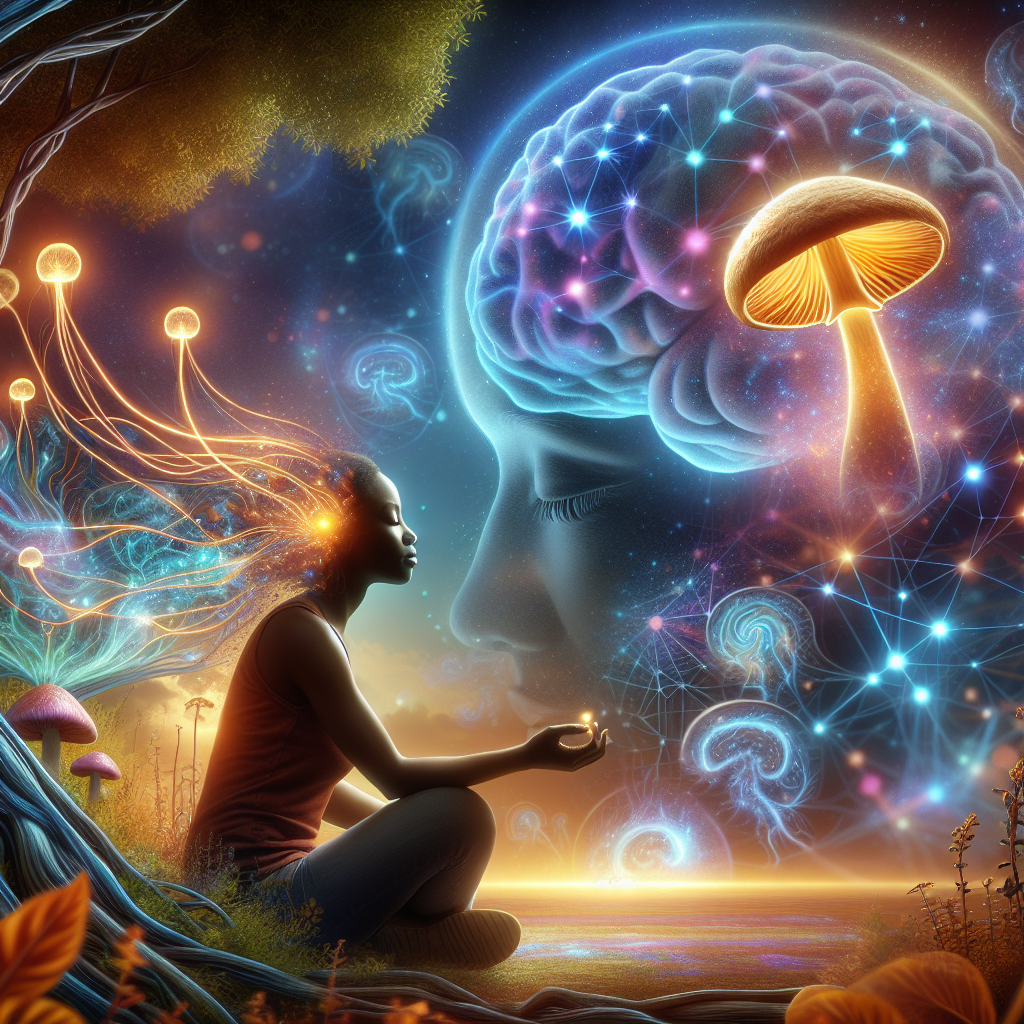
Curious about how mushrooms might help you break old habits and boost your mental health? Thanks to their active compound, psilocybin, these fascinating fungi could unlock effortless neuroplasticity and set the stage for lasting habit change.
AI Therapy: Unlock Stunning Mental Health Benefits
Discover how AI therapy breaks down barriers to mental health support, offering accessible, stigma-free help whenever you need it.
5 Mindfulness Techniques to Help Anxiety
Living with anxiety can be overwhelming, but mindfulness techniques offer a powerful way to find calm and balance in your daily life. These evidence-based practices help you stay present, reduce stress, and develop a healthier relationship with your thoughts and feelings. Whether you’re new to mindfulness or looking to expand your toolkit, these five techniques can make a meaningful difference in managing anxiety. Deep Breathing Exercises One of the simplest yet most powerful mindfulness techniques is focused breathing. When anxiety strikes, your breath often becomes shallow and rapid. By consciously slowing your breath and focusing on each inhale and exhale, you activate your parasympathetic nervous system, which promotes relaxation. Try the 4-7-8 technique: breathe in for 4 counts, hold for 7, and exhale for 8. Practice this for just a few minutes daily to reduce anxiety symptoms. Body Scan Meditation A body scan is a systematic way to check in with physical sensations throughout your body. Starting from your toes and moving upward, you bring gentle awareness to each body part without judgment. This practice helps release tension you may not even realize you’re holding and grounds you in the present moment. It’s especially effective before bed or when you feel disconnected from your body due to anxiety. Mindful Observation This technique involves choosing an object—a flower, a piece of fruit, or even a simple rock—and observing it with full attention for several minutes. Notice its colors, textures, shapes, and details as if seeing it for the first time. This practice trains your mind to stay present and interrupts anxious thought patterns by redirecting your attention to something tangible in your environment. Loving-Kindness Meditation Anxiety often comes with harsh self-criticism and negative self-talk. Loving-kindness meditation counteracts this by cultivating compassion toward yourself and others. Start by directing phrases like “May I be safe, may I be healthy, may I be at peace” toward yourself, then gradually extend these wishes to others. Regular practice can reduce anxiety and increase emotional resilience and self-acceptance. Mindful Walking You don’t need to sit still to practice mindfulness—walking can be a powerful meditation too. As you walk slowly, pay attention to each step, the sensation of your feet touching the ground, the rhythm of your movement, and the sights and sounds around you. This practice is perfect for people who find traditional seated meditation challenging and provides a gentle way to calm your mind while moving your body. Incorporating these mindfulness techniques into your daily routine doesn’t require hours of practice. Even five to ten minutes a day can significantly impact your anxiety levels and overall mental wellbeing. Start with one technique that resonates with you, practice it regularly, and gradually explore others. Remember, mindfulness is a skill that develops over time—be patient and compassionate with yourself as you learn. With consistent practice, you’ll discover greater peace, resilience, and the ability to navigate anxiety with confidence and calm.
10 Tips To Stay Stressless In Everyday Life

10 Tips To Stay Stressless In Everyday Life Living with daily stress can be overwhelming, but simple lifestyle tweaks can help you build resilience and enjoy a calmer, more positive mindset. Here are ten practical tips to keep stress at bay every day: Start Your Day with MindfulnessBegin each morning with a few minutes of mindful breathing or gentle meditation. It sets a peaceful tone and helps you respond calmly to life’s demands. Move Your Body RegularlyExercise—even a brisk walk—releases tension and boosts mood. Aim for movement every day, even if it’s just for ten minutes. Prioritize Sleep HygieneProtect your sleep by keeping a regular schedule, winding down before bed, and making your bedroom a peaceful space. Quality rest is essential for stress resilience. Stay Hydrated and Eat Nourishing FoodsProper hydration and balanced meals fuel your body and mind, improving your ability to handle stress. Keep a Gratitude JournalWrite down three things you appreciate each day. Focusing on positives helps shift your mindset away from stress and towards optimism. Establish BoundariesSay no when you need to and protect your time for self-care. Healthy boundaries reduce overwhelm and promote relaxation. Declutter Your SpaceA tidy environment supports a clear mind. Spend a few minutes daily organizing your surroundings for a calming effect. Connect with OthersReach out to friends, family, or peers. Social connection acts as a buffer against daily stress. Take Tech BreaksUnplug from devices regularly. Less screen time and more real-world engagement reduce digital overload and tension. Practice Self-CompassionTreat yourself with kindness, especially when things don’t go as planned. Self-compassion reduces stress and enhances your wellbeing. Remember: Small, consistent changes make a big impact on your stress levels. Pick a few tips to try this week and notice how your mind and body respond. Your journey to living stressless starts today!