

Psychedelic Mushrooms and Mental Health: Separating Clinical Reality from Retail Hype
Psychedelic mushrooms and mental health are increasingly linked in popular imagination and online marketing, with retailers touting psilocybin-infused edibles, capsules, and “microdot” style products. Sites like Mushrooms.buzz offer everything from softgels touting mood-boosting claims to more potent psychedelics like DMT vape pens. But amid the excitement and expanding catalogs, a crucial question remains: under what conditions do psilocybin and similar compounds produce durable improvements for depression, anxiety, or well-being—and what are the risks? To answer this, we need to examine what scientific research actually supports, what it doesn’t, and why “products” are not “therapy.”
What Science Supports: Psilocybin-Assisted Therapy for Depression, Anxiety, and PTSD
Depression: Strong Evidence—With Caveats
Medical research into psychedelic mushrooms and mental health has produced promising results, especially for major depressive disorder and treatment-resistant depression. Multiple clinical trials and meta-analyses report that psilocybin-assisted therapy can rapidly decrease depressive symptoms. For some, the effects are large and persist for weeks or months. However, recent analyses underscore an important caveat: studies often find unusually poor outcomes in control groups, which can inflate the apparent benefit versus “standard” treatments like SSRIs or esketamine. The impressive numbers sometimes reflect both the efficacy of psilocybin therapy—and the limitations of the chosen study designs.
Anxiety and Existential Distress
Evidence also supports psilocybin’s potential to reduce anxiety and existential distress, particularly in patients grappling with serious illnesses such as cancer. Clinical trials in supervised settings, often pairing the drug with psychotherapy, show meaningful reductions in anxiety, sometimes in just one or two sessions. This area is one of the longest-running lines of modern psychedelic research, dating back to the 1960s and renewed in the past two decades.
PTSD: A Field in Progress
The relationship between psychedelic mushrooms and mental health also extends to post-traumatic stress disorder (PTSD). Preclinical studies and Phase II trials are starting to chart the landscape, with some evidence for benefit, though less robust than for depression. Major institutions, including the U.S. Department of Veterans Affairs, note that research in this population is ongoing, and definitive recommendations are not yet possible.
Why “Psilocybin-Assisted Therapy” Is Not the Same as “Psilocybin Products”
A critical distinction often lost in retail marketing is the difference between clinical intervention and consumer goods. In research, psilocybin is never just dispensed and consumed. Instead, it’s administered as part of a highly structured therapeutic protocol. Patients are carefully screened, prepared, and supported throughout the experience, with therapists providing guidance during and after. The goal is not only to elicit a profound altered state but to translate that state into meaningful, lasting psychological change.
This scaffolding—preparation, monitored sessions, and integration—matters greatly. Much of the therapeutic value appears to arise from pairing a temporarily altered brain state with guided “meaning-making” sessions. These facilitate emotional learning and behavioral change, not just transient mood boosts. When psilocybin is consumed outside of this context—increasingly problematic with retail edibles and microdose capsules—the consumer is running a different experiment, with altered risk and unclear benefit.
How Psilocybin Might Work: Flexible Brain States and Emotional Learning
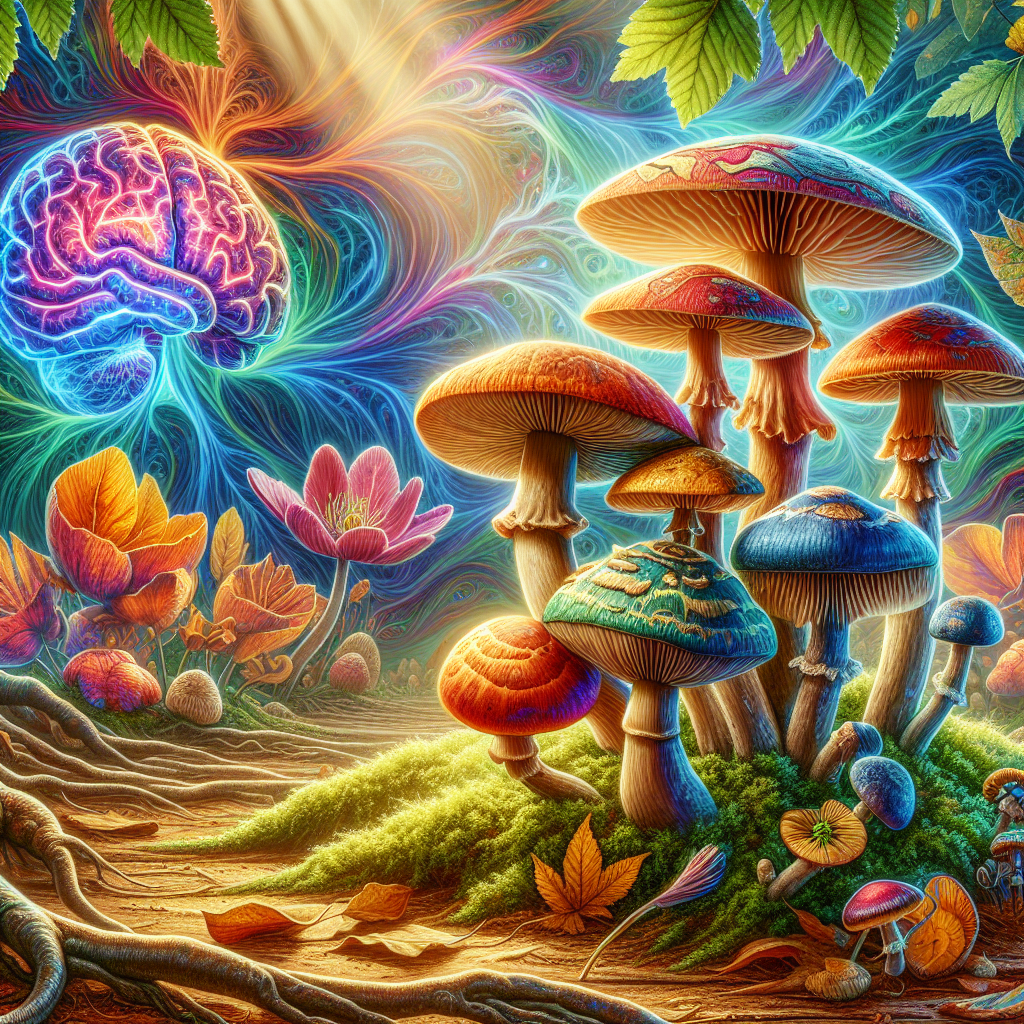
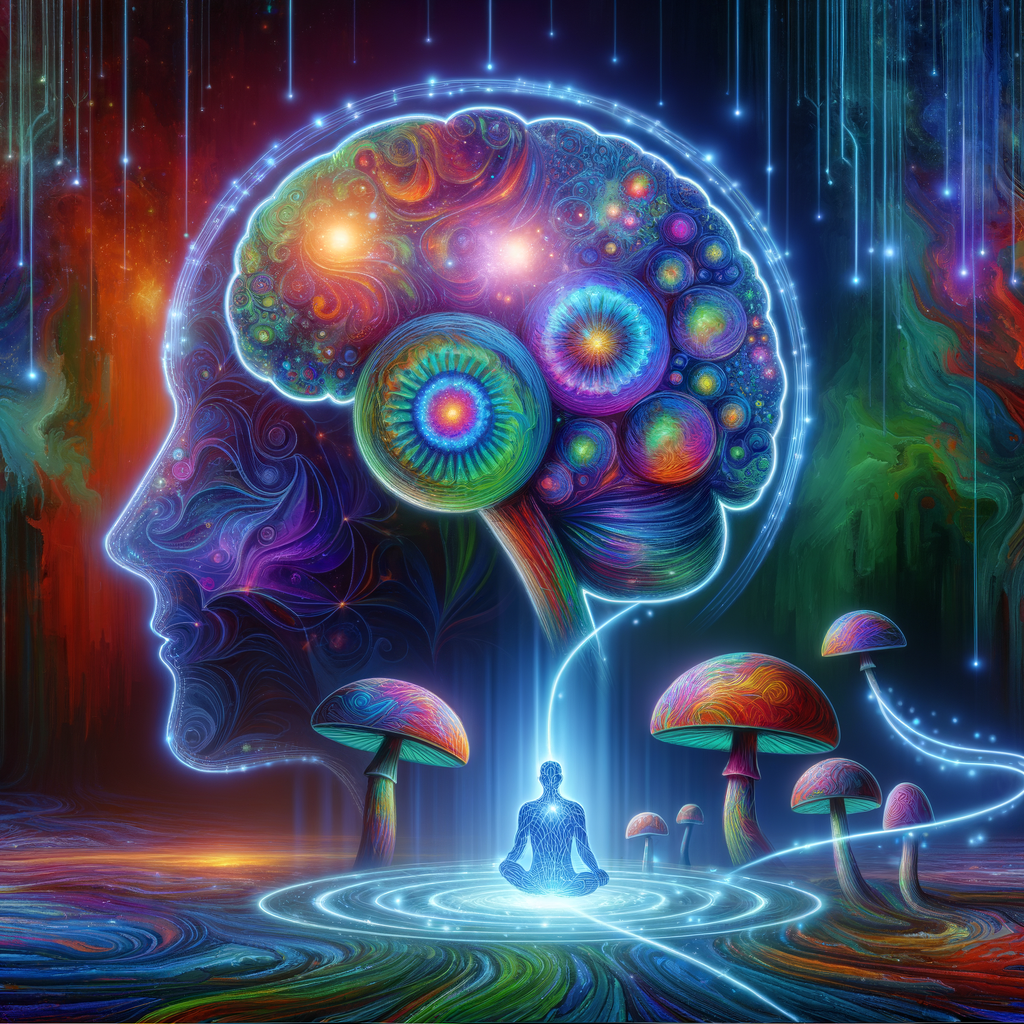
The best current models suggest that psilocybin, a serotonergic psychedelic mostly acting via 5-HT2A receptors, temporarily changes brain network dynamics. Contemporary neuroscience points to increased communication between brain regions that usually operate in silos, which can loosen rigid thought patterns—such as rumination in depression or threat-based thinking in anxiety.
This creates a window of increased neural plasticity where new emotional associations and narratives can form. Importantly, this state is not guaranteed enlightenment or lasting transformation; it is a period of possibility, which can go well—or very badly—depending on the context, mental health baseline, and support.
Microdosing: The Hype Versus the Evidence
Given the proliferation of microdose products online, it’s worth evaluating the science behind microdosing. Microdosing—taking sub-perceptual doses of psilocybin, often daily—has exploded in popularity, driven by bold claims of improved mood, creativity, and cognitive function. The research, however, does not paint a rosy picture.
Meta-analyses from 2025 and earlier suggest no consistent cognitive enhancement and, in some cases, even reduced cognitive control. Expectancy effects—people feeling better because they expect to—confound the data. Reviewers caution that side-effect reporting is inconsistent, and methodological limitations abound. For now, microdosing may benefit some individuals, but the narrative of a “daily antidepressant upgrade” is unsupported by rigorous evidence.
Conclusion: Science, Therapy, and Consumer Hype
The link between psychedelic mushrooms and mental health is real—but deeply nuanced. Durable improvements in mood, anxiety, or well-being are most consistently seen within structured clinical settings pairing psilocybin with psychological support. Retail products, however compelling their marketing, are no substitute for therapy. As research continues, consumers should approach online psychedelic products with caution, recognizing the difference between evidence-based intervention and retail experimentation.