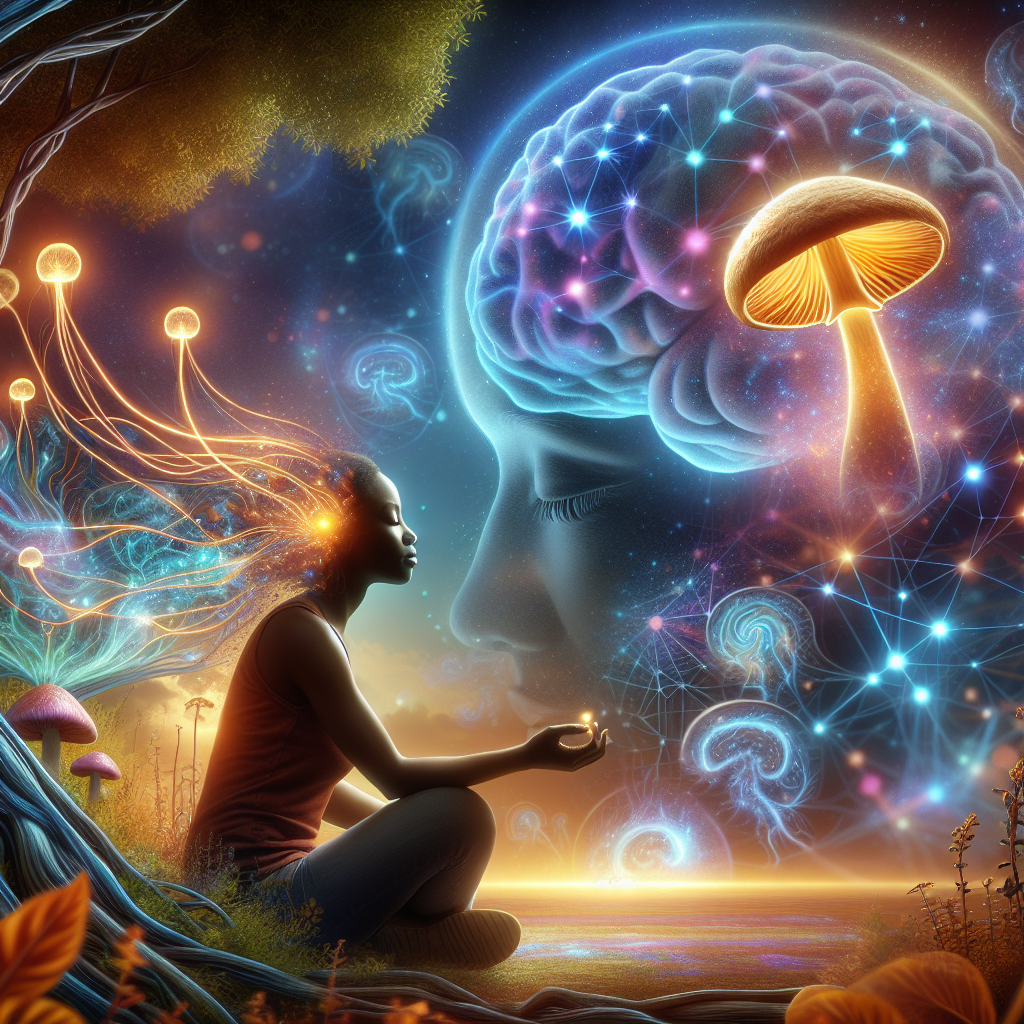


Psilocybin and Neuroplasticity: Exploring How Mushrooms May Help the Brain Rewire Habits
Psilocybin, the naturally occurring psychedelic compound found in certain mushrooms, has sparked significant interest in the scientific and mental health communities for its potential to promote neuroplasticity and support positive habit change. As research uncovers more about the profound connections between psilocybin, neuroplasticity, and overall mental well-being, many are asking if these “magic mushrooms” might provide answers to some of today’s most persistent psychological challenges.
What Is Neuroplasticity and Why Does It Matter?
Neuroplasticity refers to the brain’s remarkable ability to reorganize itself by forming new neural connections throughout life. This ongoing process enables people to learn new skills, adapt to changes, and even recover from injuries. Crucially, neuroplasticity plays a central role in breaking unhelpful patterns and establishing healthier habits. Whether you’re trying to overcome anxiety, depression, addiction, or simply looking to create positive routines, your brain’s plasticity is what allows these changes to happen.
How Does Psilocybin Interact With the Brain?
Recent studies have shown that psilocybin (sometimes misspelled as “psylocibin”) affects serotonin receptors in the brain, particularly a subtype called 5-HT2A. Activation of these receptors leads to altered patterns of brain activity, temporarily disintegrating rigid neural networks that support habitual thought and behavior. By reducing this default activity and increasing cross-talk between different brain regions, psilocybin appears to make the brain more “flexible” for a period of time.
Even after the acute effects of mushrooms subside, imaging studies have revealed heightened activity in areas concerned with emotional processing, introspection, and meaning-making. This enhanced environment of neuroplasticity creates a fertile ground for breaking unhelpful habits and forming healthier ways of thinking.
Psilocybin, Neuroplasticity, and Habit Change
Growing research suggests that psilocybin’s effects go beyond simple perception changes—they may allow individuals to step outside of entrenched patterns that often underpin mental health struggles. Here’s how this might work:
Disrupting Automatic Behaviors
Habits are essentially neural “shortcuts” that drive automatic actions and reactions. Whether it’s compulsive rumination, addictive behaviors, or avoidance patterns, these habits are hard to change because they’re deeply embedded. Psilocybin, by disrupting these automatic neural pathways and fostering neuroplasticity, can make these behaviors more accessible to conscious change.
Increased Psychological Flexibility
Several clinical trials have found that people who undergo guided psilocybin experiences often report greater openness, improved mood, and reduced symptoms of depression or anxiety. Enhanced neuroplasticity during the post-journey period seems to help individuals consider new perspectives, adopt new habits, and mentally “reset.” This newfound mental flexibility can be the key to lasting habit change.
Lasting Changes Through Integration
While the psychedelic experience itself is brief, the following window of increased neuroplasticity offers an opportunity for genuine transformation. Integration—working with a mental health professional or support group to make sense of the experience—helps solidify positive changes. Mindfulness practices, journaling, and therapy can all help “re-train” the brain during this period of increased adaptability.
The Evidence So Far
Researchers are cautiously optimistic about the promise of psilocybin and related mushrooms. Several studies at institutions like Johns Hopkins and Imperial College London have demonstrated that, under controlled conditions, psilocybin-assisted therapy can lead to significant, long-term changes in mood, mindset, and behavior. In some cases, people struggling for years with depression or addiction have found lasting relief after just a few guided sessions.
Importantly, these results are achieved in a therapeutic context—combining the neuroplastic potential of psilocybin with professional support, intention-setting, and structured post-session integration.
Understanding the Risks
Despite these encouraging findings, psilocybin is still a powerful psychoactive compound that should be approached with caution. The experience can be overwhelming for some, especially those with underlying mental health issues like psychosis. Most current research stresses the importance of medical supervision, proper dosing, and a safe setting for optimal and safe results.
Looking to the Future
With the rapid pace of research, the future of psilocybin and its potential to promote neuroplasticity, habit change, and mental health support looks promising. While many questions remain about the ideal protocols and long-term effects, what’s clear is that mushrooms—and their active compound, psilocybin—are offering a new frontier for understanding and improving how our brains can adapt and heal.
For now, those interested in exploring these possibilities should do so carefully, ideally with professional guidance, and stay informed as scientific knowledge continues to evolve.